3 Essential Art Evaluation Questions
Resurrecting another classic blog post…classic in the sense that I still use this framework in my course critiques, mentor meetings and even when I’m strolling the art museum. These questions are simple, effective and help you think through deep enough to get to the heart of the art, so to speak.
I chose to keep the examples in this article rather than update them as they speak to the evaluation questions specifically, plus they are pretty timeless and interesting pieces. Enjoy!
How do you evaluate your art or the art of others'? What makes a good work of art? Do you only know you 'like' or dislike something about it? What is that something? Certainly there are many other questions that come to mind when looking at art and those answers will always include some measure of subjectivity, which is always welcome and makes for a lively discussion. Its the usual questions regarding design fundamentals and what is 'liked' about the work that do not necessarily make for interesting art discussion. I'm not bashing the consideration of design fundamentals-they should always enter the conversation. However, it's the discussion of ONLY these things that makes for a very technical conversation and one that really doesn't cut to core regarding what makes us RESPOND to a work of art.
When I was teaching at Tyler, I found critique questions that attempt to push beyond design fundamentals to be too esoteric and often led to discussions that were not helpful in actually growing the work. To begin the discussion and to simplify things a bit I came up with three simple questions that would allow each student to delve deeper and therefore allow for the exchange of new ideas regarding how and why we look at, respond to and appreciate art. Once I began proposing these questions in my critiques, students were also able to apply them to their own work and I'm happy to share them with you so that you can do the same. After each question listed below, I have included a list of characteristics that I notice I consistently respond to in a work. It might be interesting for you to do as I have and answer these questions regarding your personal preferences in your journal. Knowing more about your personal preferences may also help you analyze your own studio work and enable it to grow that much faster.
I have also included a few examples below as I put these questions into practice in reference to specific works from my art travels. You might try doing the same for memorable work you’ve seen in museums, galleries, etc.
What attracts you to this work? What makes you cross the room to take a closer look?
Detail, use of color, drama, movement, materials, pattern, ornament, gesture, visual poetry, repetition, raw emotion, deconstruction, drawing and line.Once you cross the room to view it, does it hold you there? What is it about the work that keeps you looking?
Mystery, poetry, finding hidden treasures, a puzzle, a story, innovative use of materials or structure, surfaces, layers, not necessarily having all of the information slapping me in the face, good design, process, skillful craftsmanship and execution, immersive-ness, hauntingly dark, strange anomolies.Does the work introduce a thought, concept, idea and/or make you think on a higher level?
Anything that speaks to dreams, time, memory, connection, open-endedness, explanations of personal struggle, redemption, vindication, love, loss, good/evil, hope, life lessons, experience, transcendence, inspiration, imagination.
The Questions in Practice
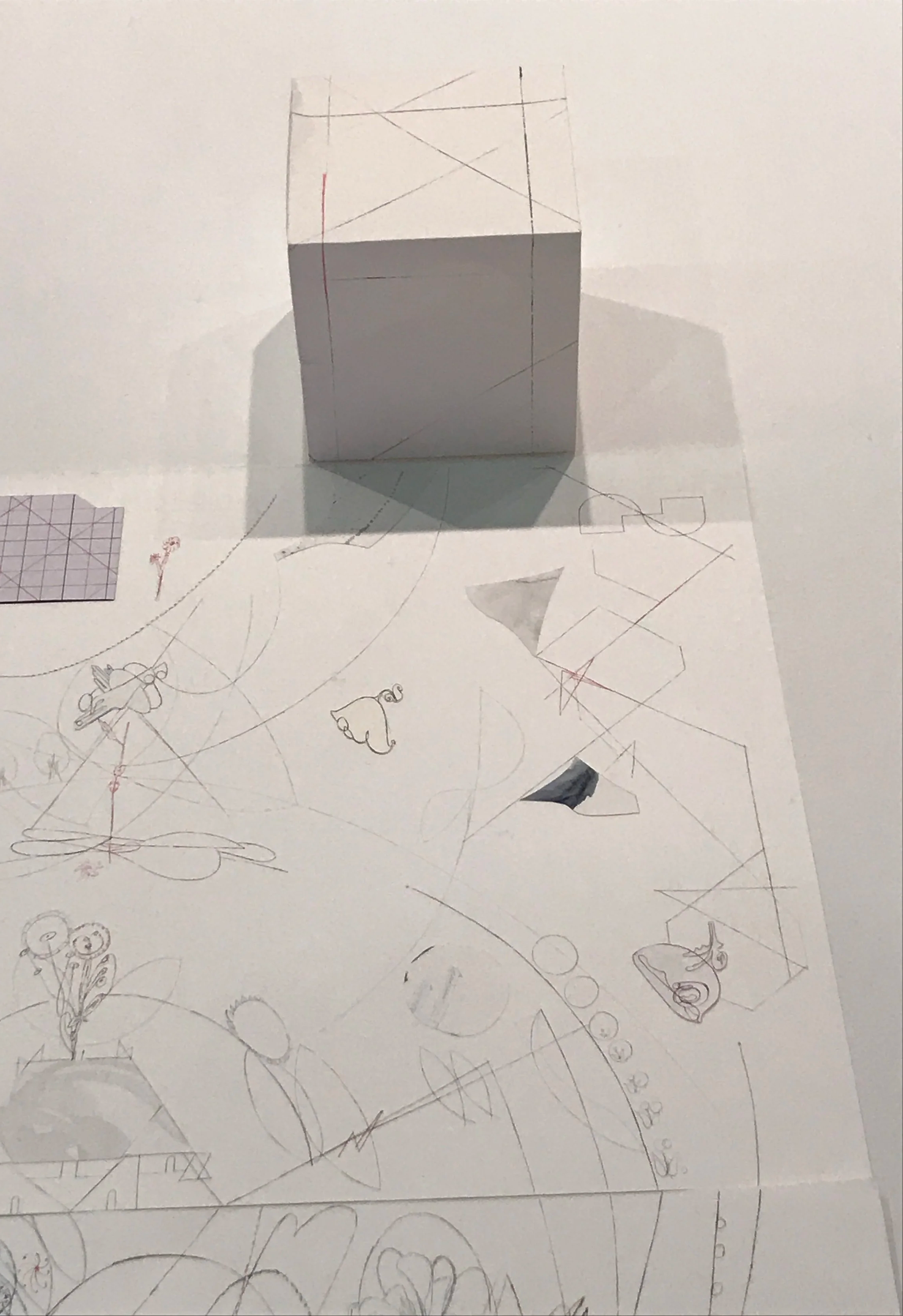
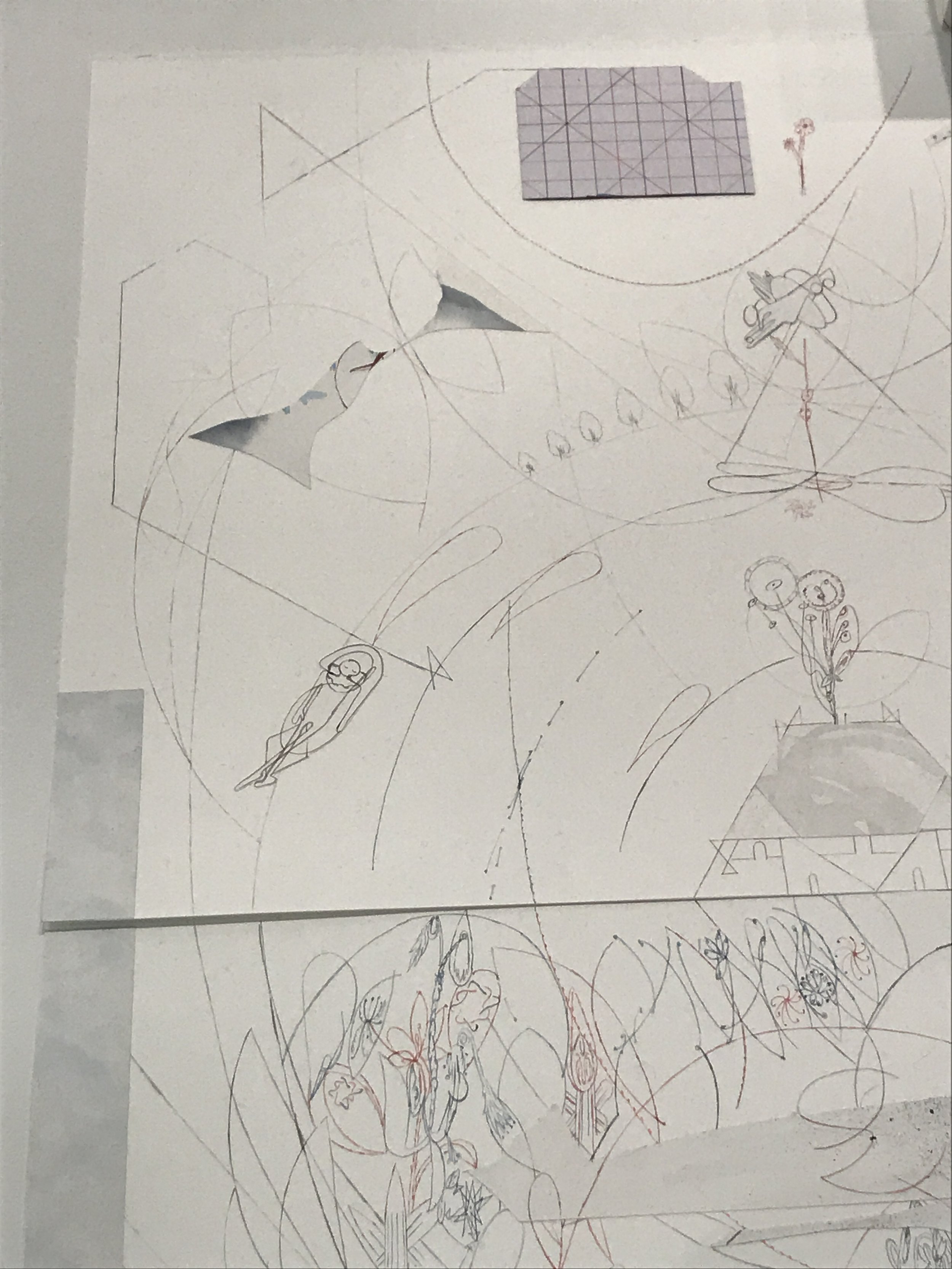
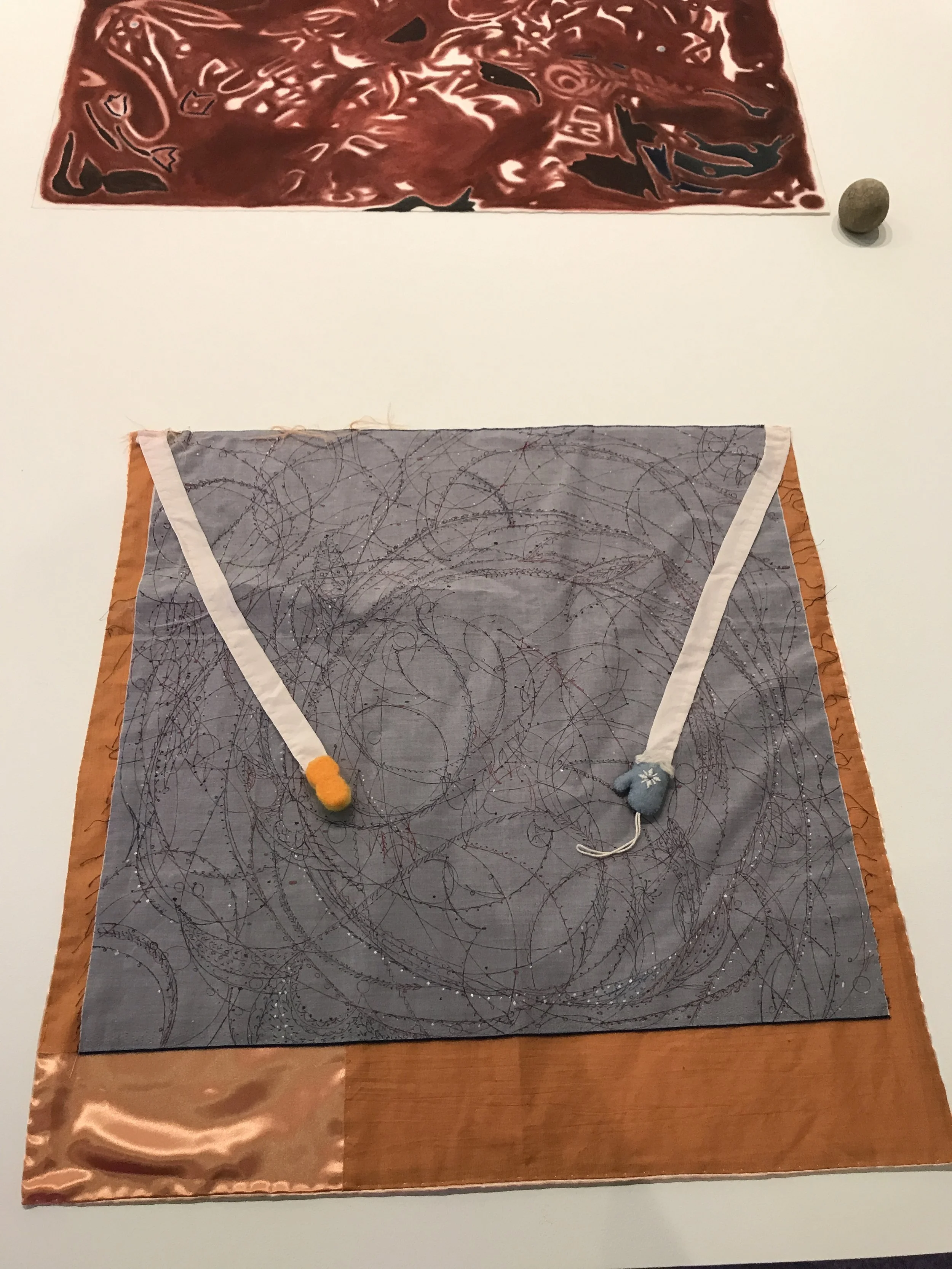
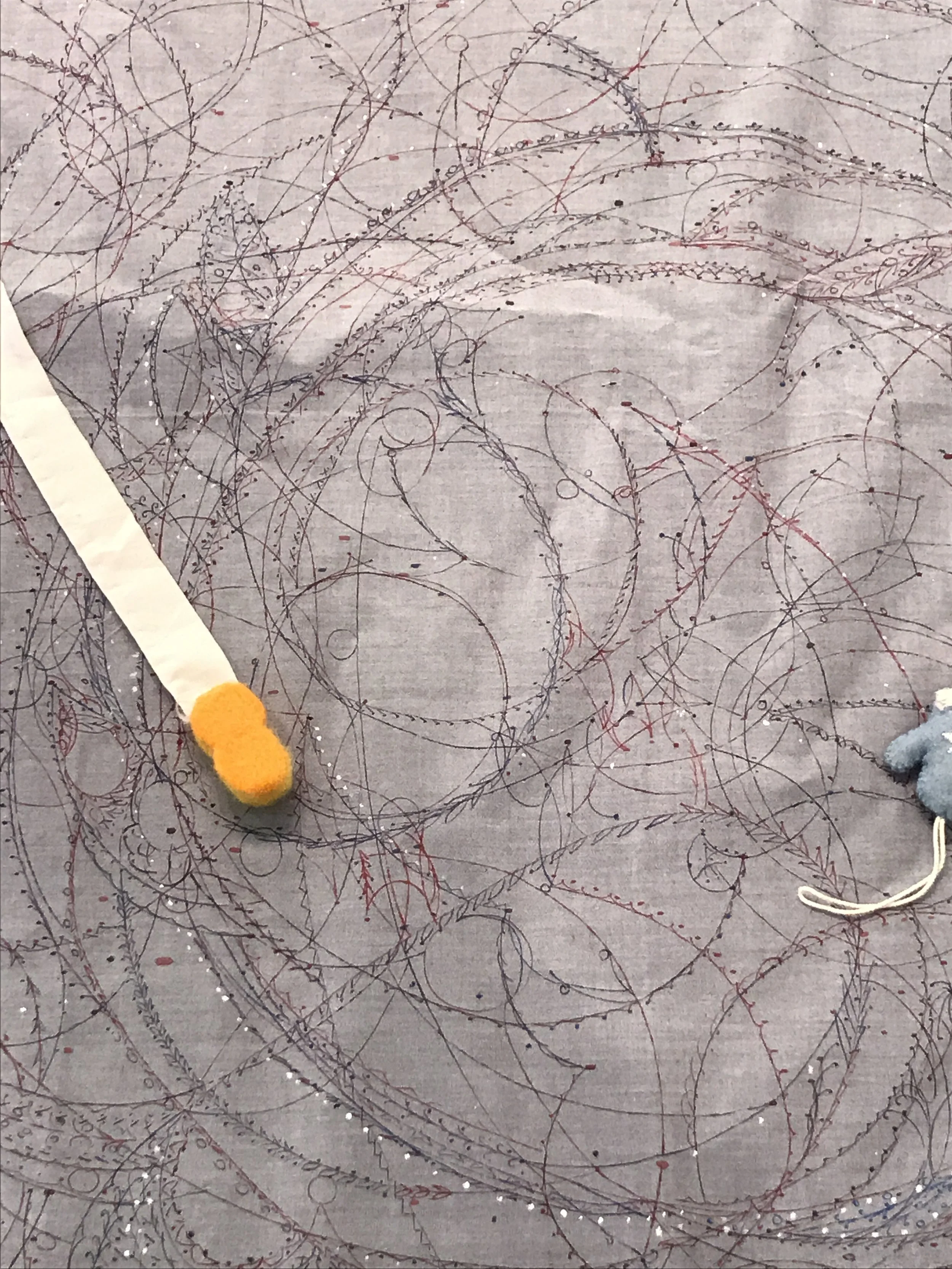
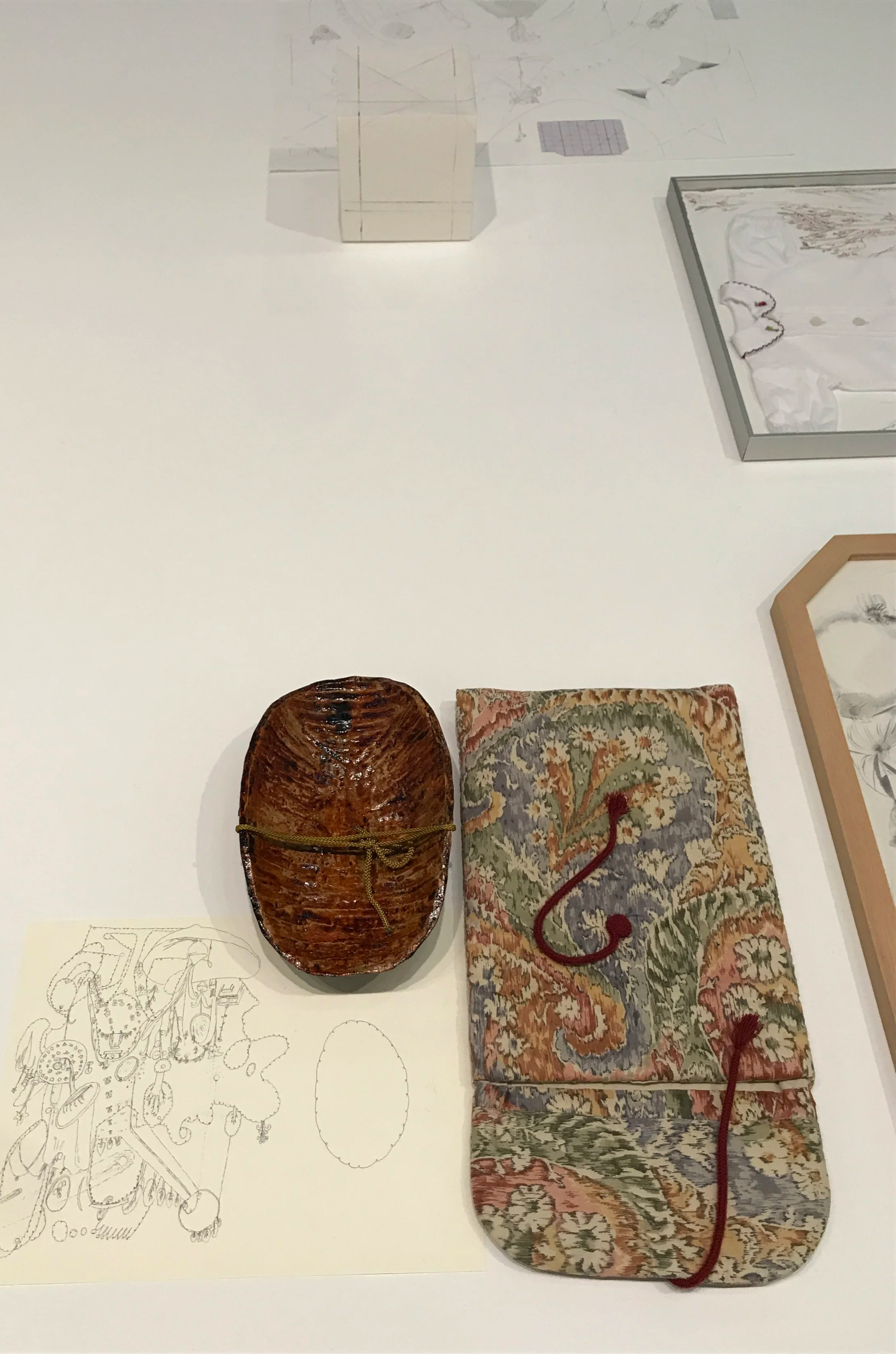
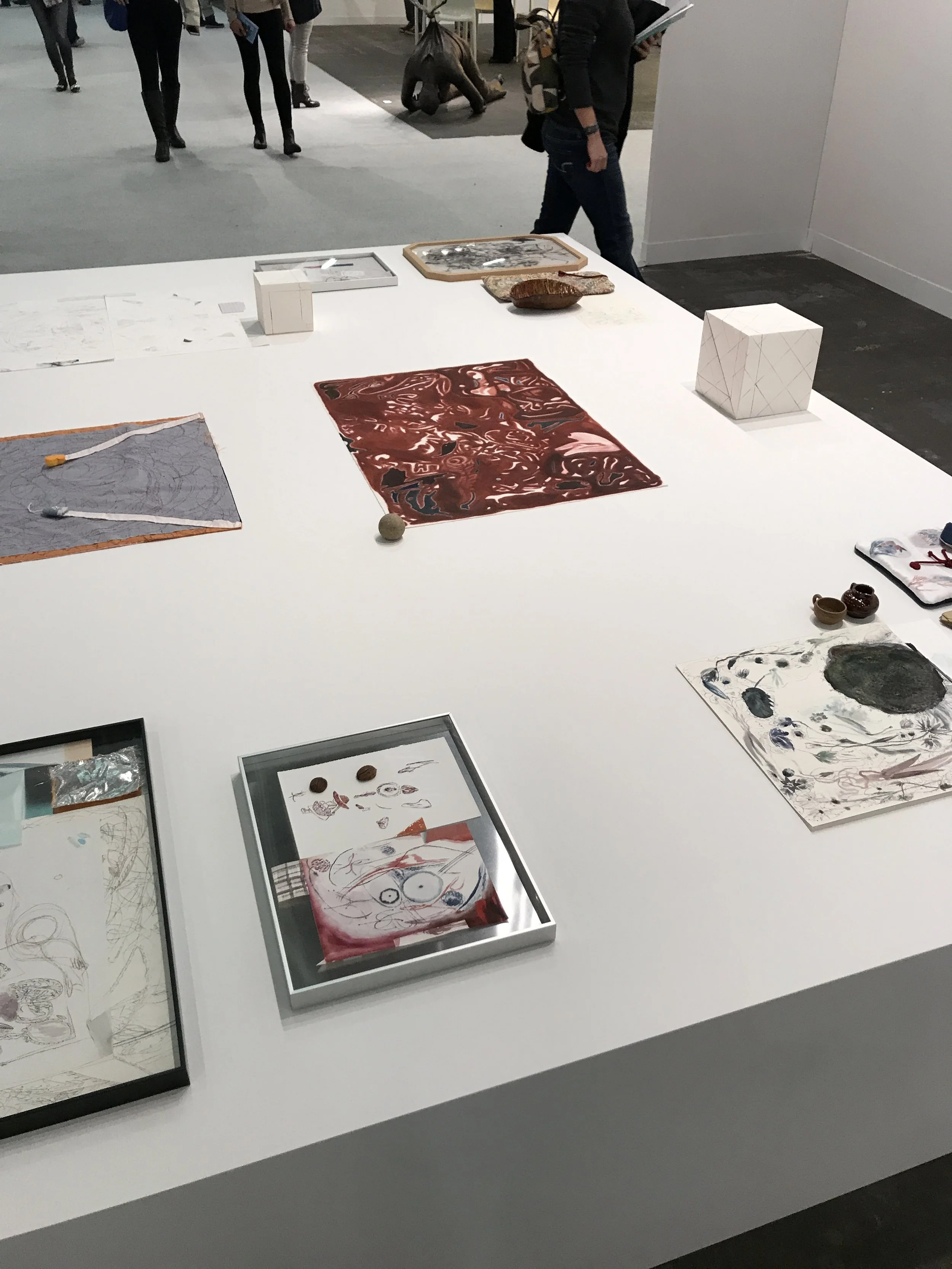
Ryoko Aoki Installation at the Armory, NYC
I was attracted to this installation because of my love of anything textile and embroidery, the placement of the pieces with lots of white space around them and the geometries of the forms having a conversation that invited me to listen. Getting in close, I was loving the pattern, exquisite craftsmanship and detail, references to drawing and home, handwork, domesticity. Despite the crowd, there was a calm, delicate, quietness that hovered over the whole installation and as I continued to study each grouping, the room slowed and got quieter. I walked around the table a number of times and fell deeper in love with where this piece took me each time.
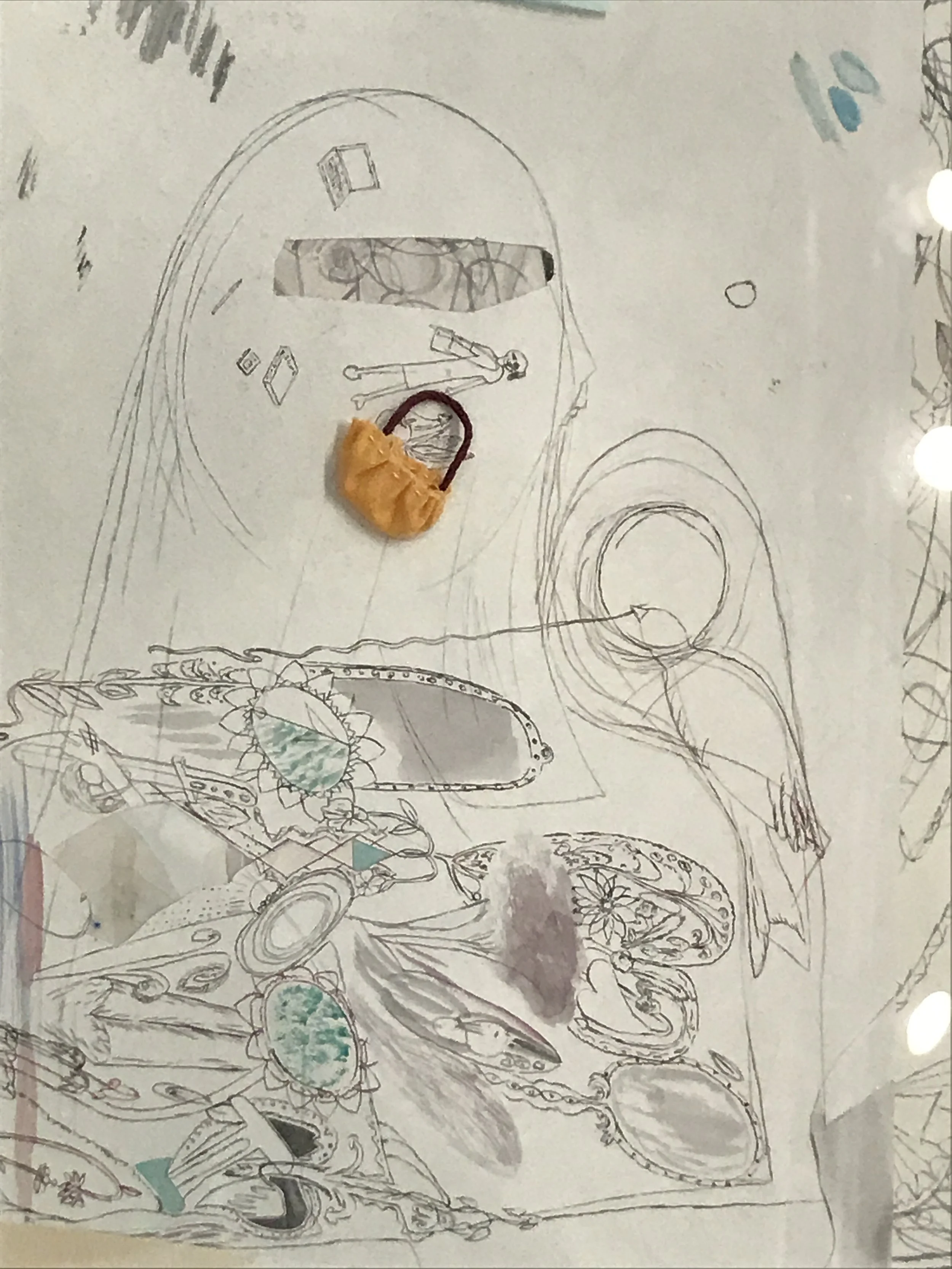
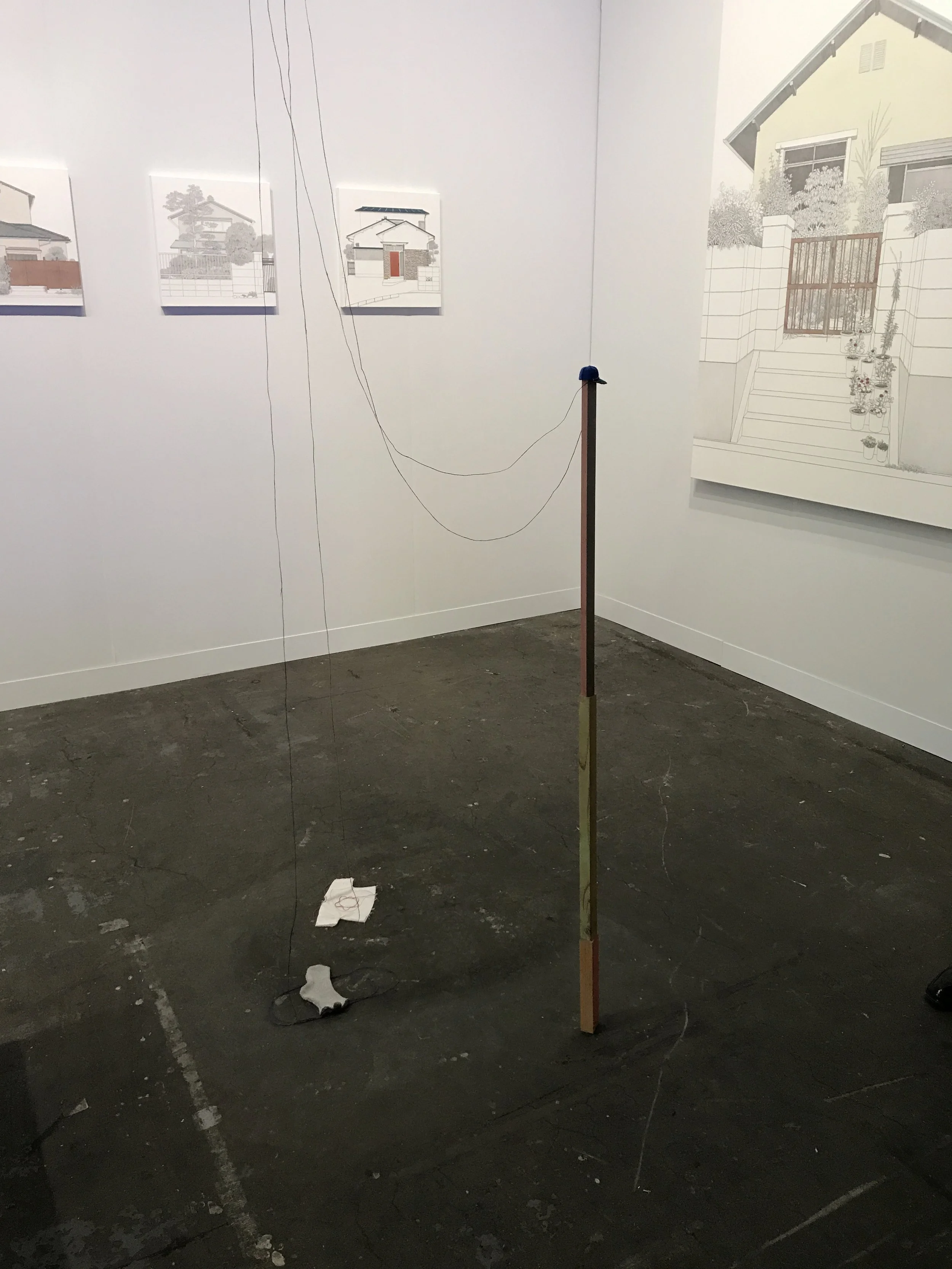
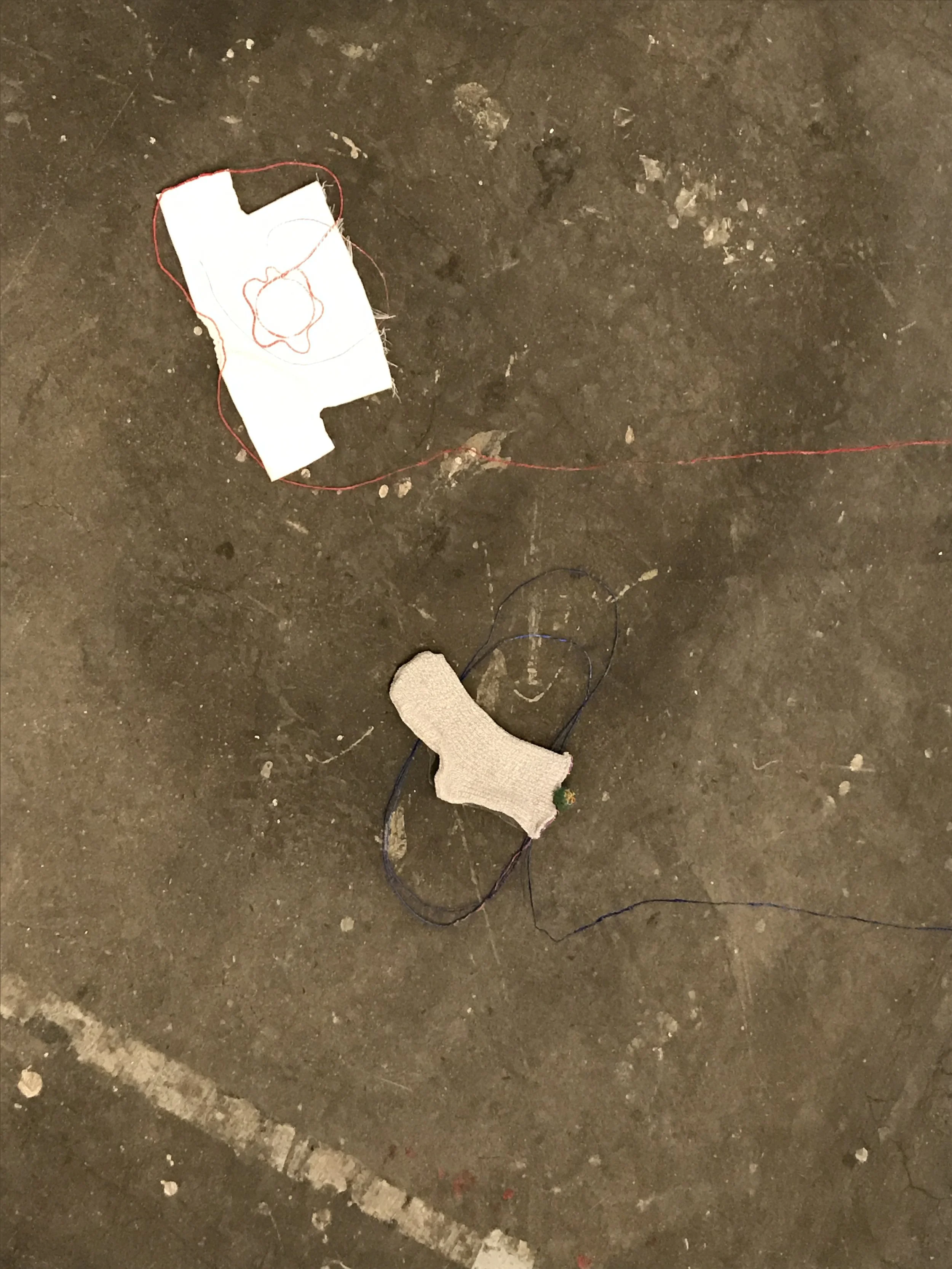
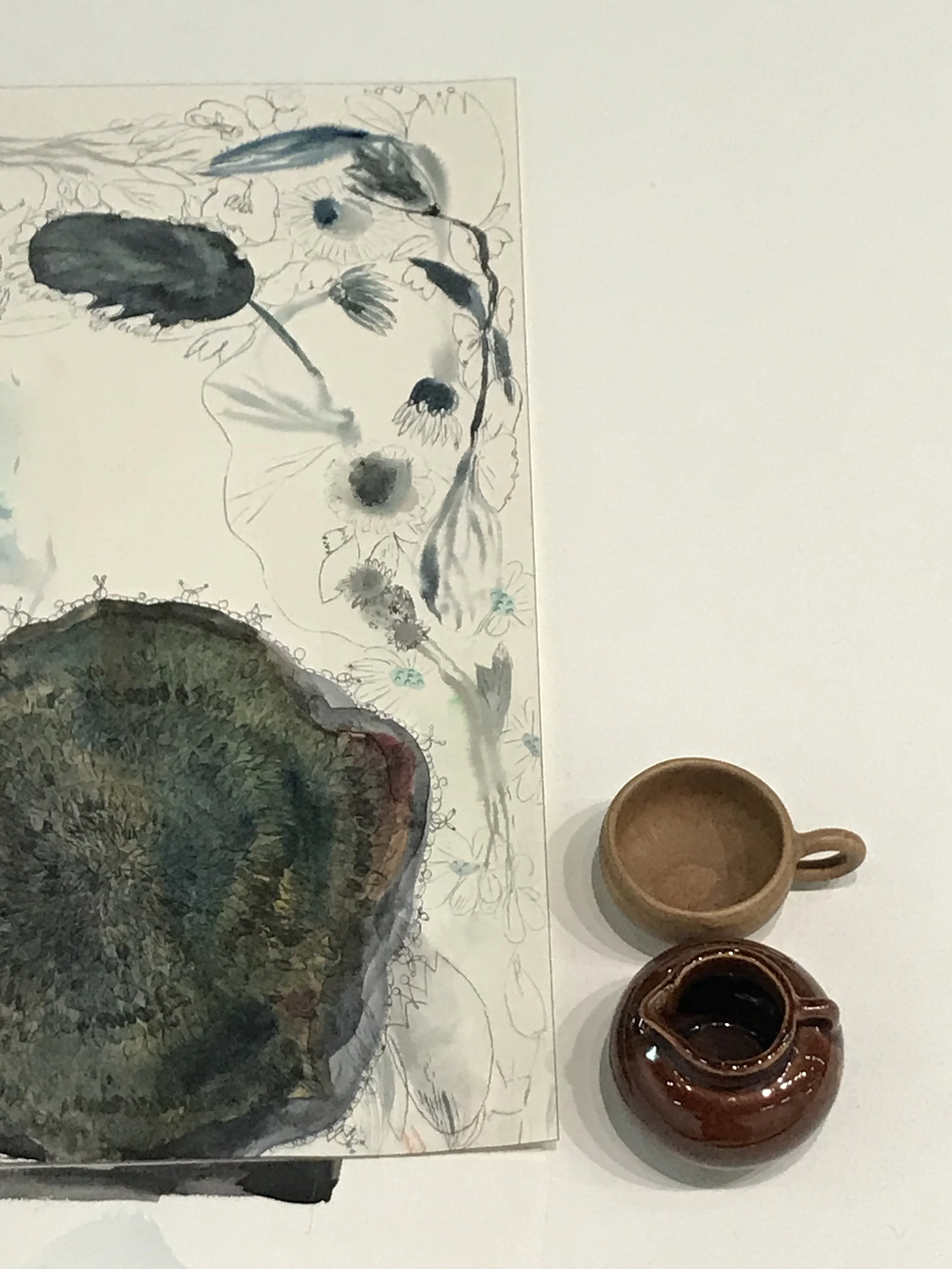
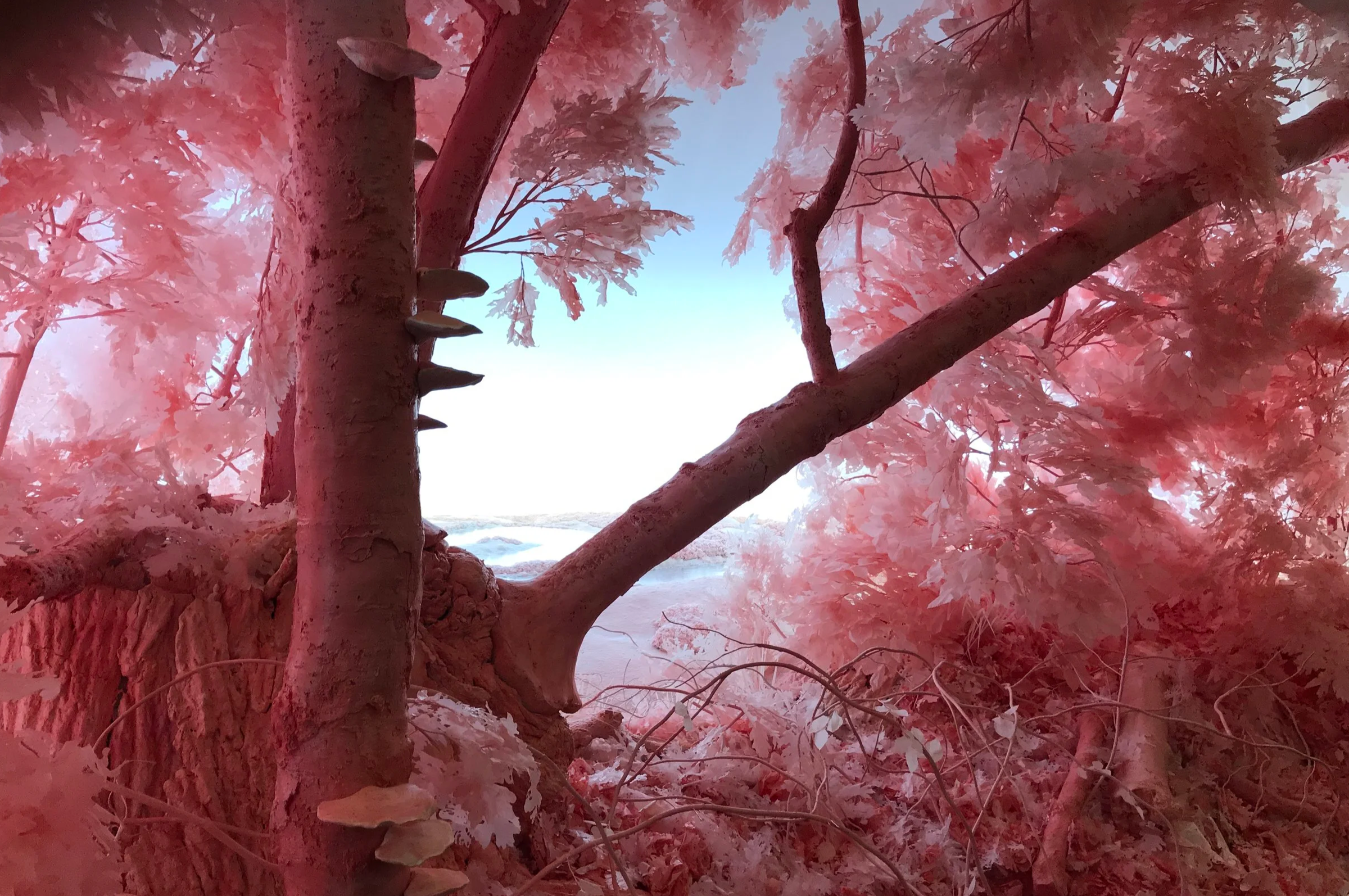
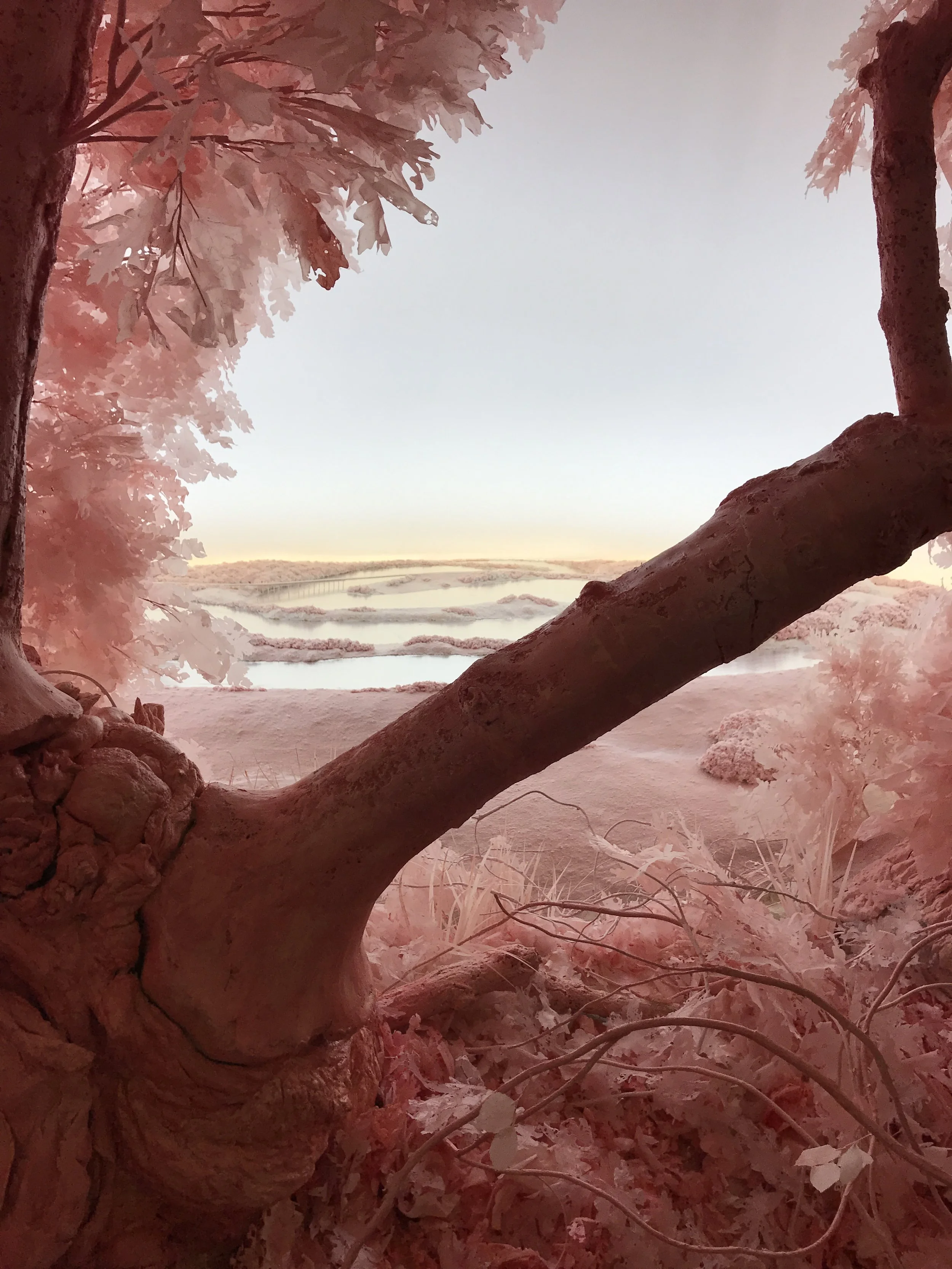
Patrick Jacobs, Pink Forest at the Armory, NYC
If you follow me on Instagram, you know I love me some pink! So of course, I was attracted to this loveliness as well as the combination of interesting materials. Similar to displays at a natural history museum, the installation was inset so the viewer could stand close enough to touch it and almost feel a part of it. I spent a lot of time getting to know this world, I was transfixed by the details and kept finding hidden treasures within this strange forest. It was interesting to discover that the piece is composed primarily of man-made materials made to look natural, which brought ideas of our fading environment to the surface. My mind started to drift as I stared into the seemingly distant center and then the questions....It looks like a landscape I would see everyday, but what is that strange landform in the center? What made this world turn this strange color? Is it toxic? Will it make me sick to stand in front of it? Because of its friendly pink color and serene forest scene, it would appear calming but the longer I stood there and the more questions that came to mind about it, the more off putting it became. I loved that I couldn't solve this mystery and that it took hold of my imagination.
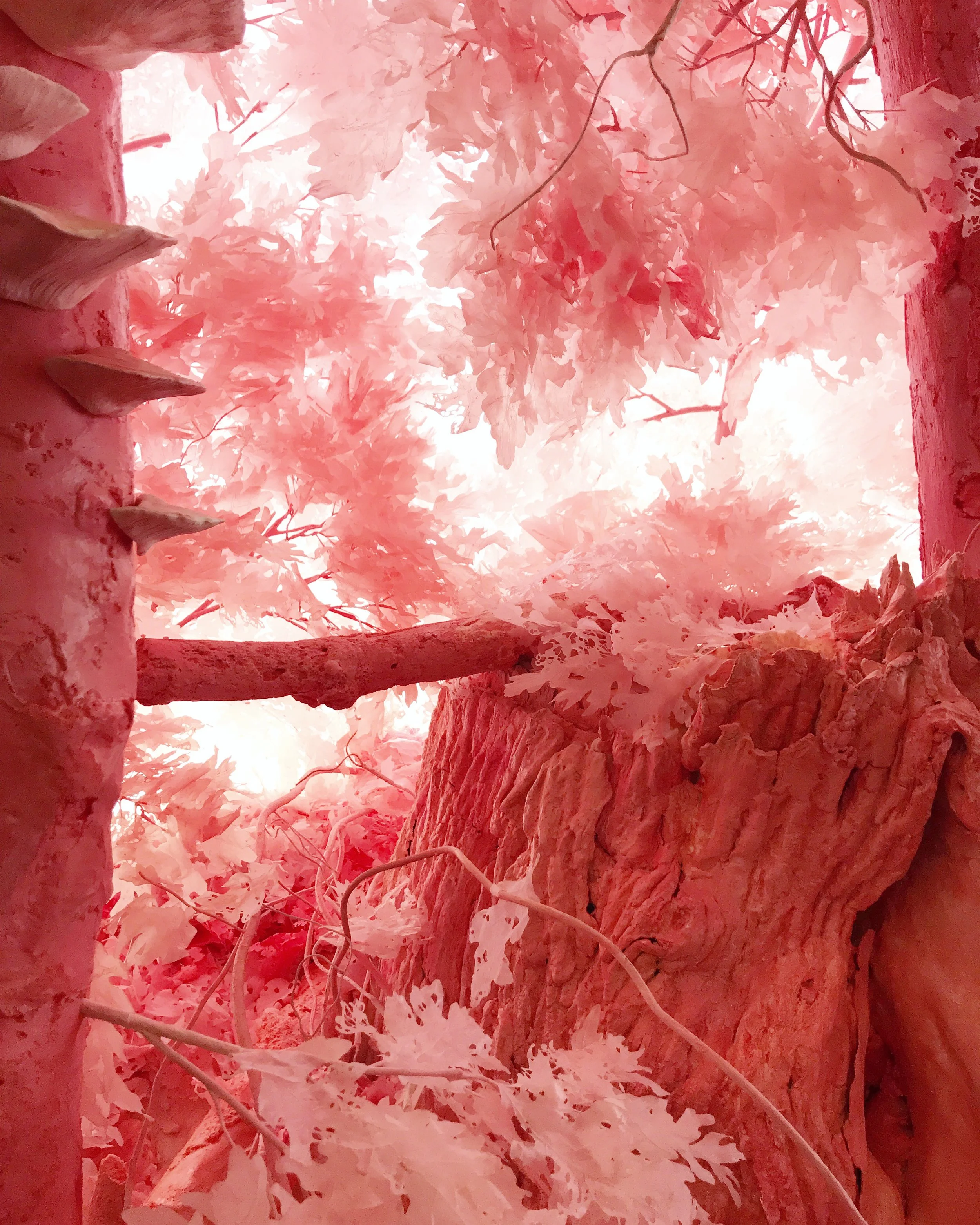
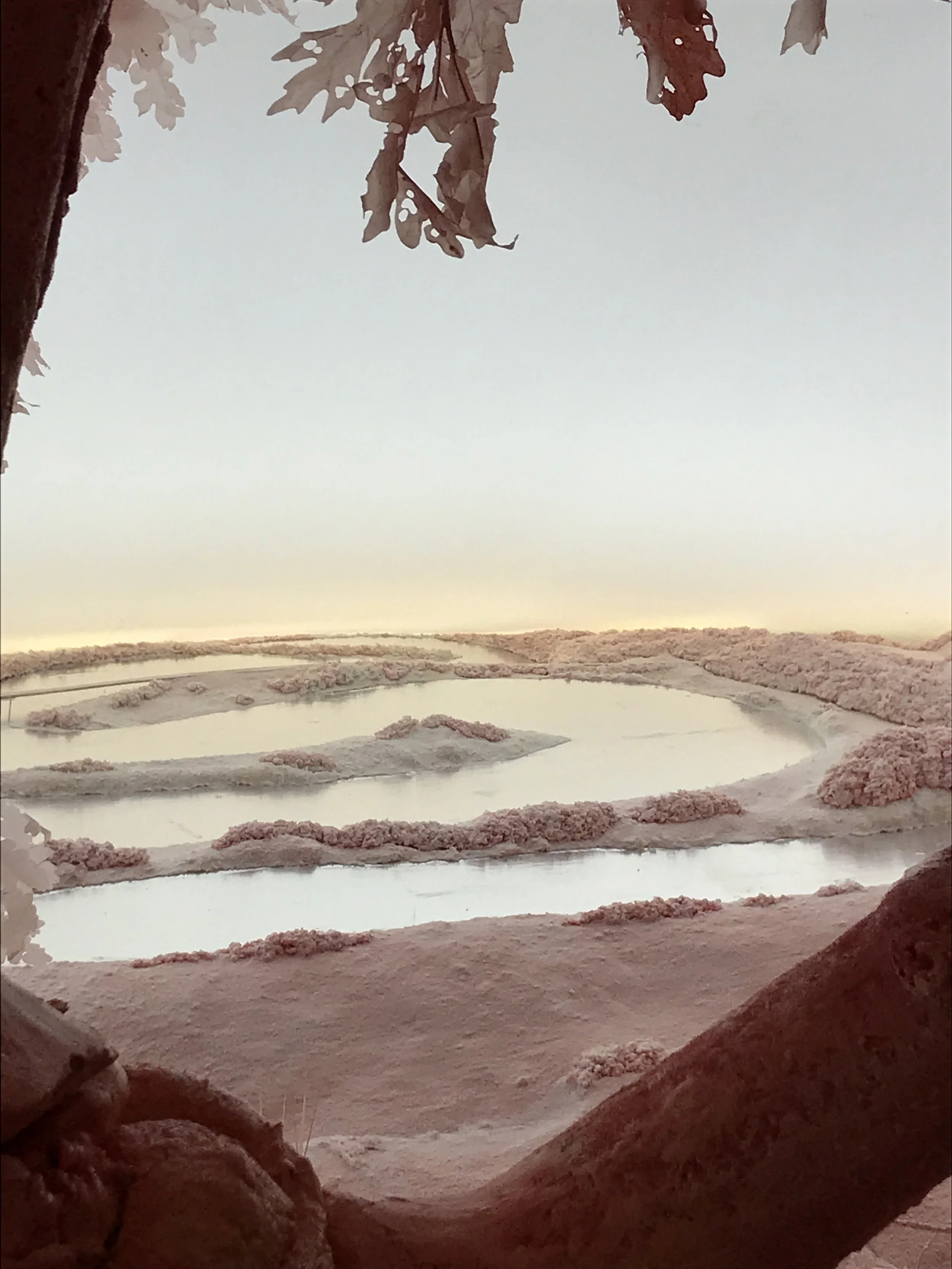
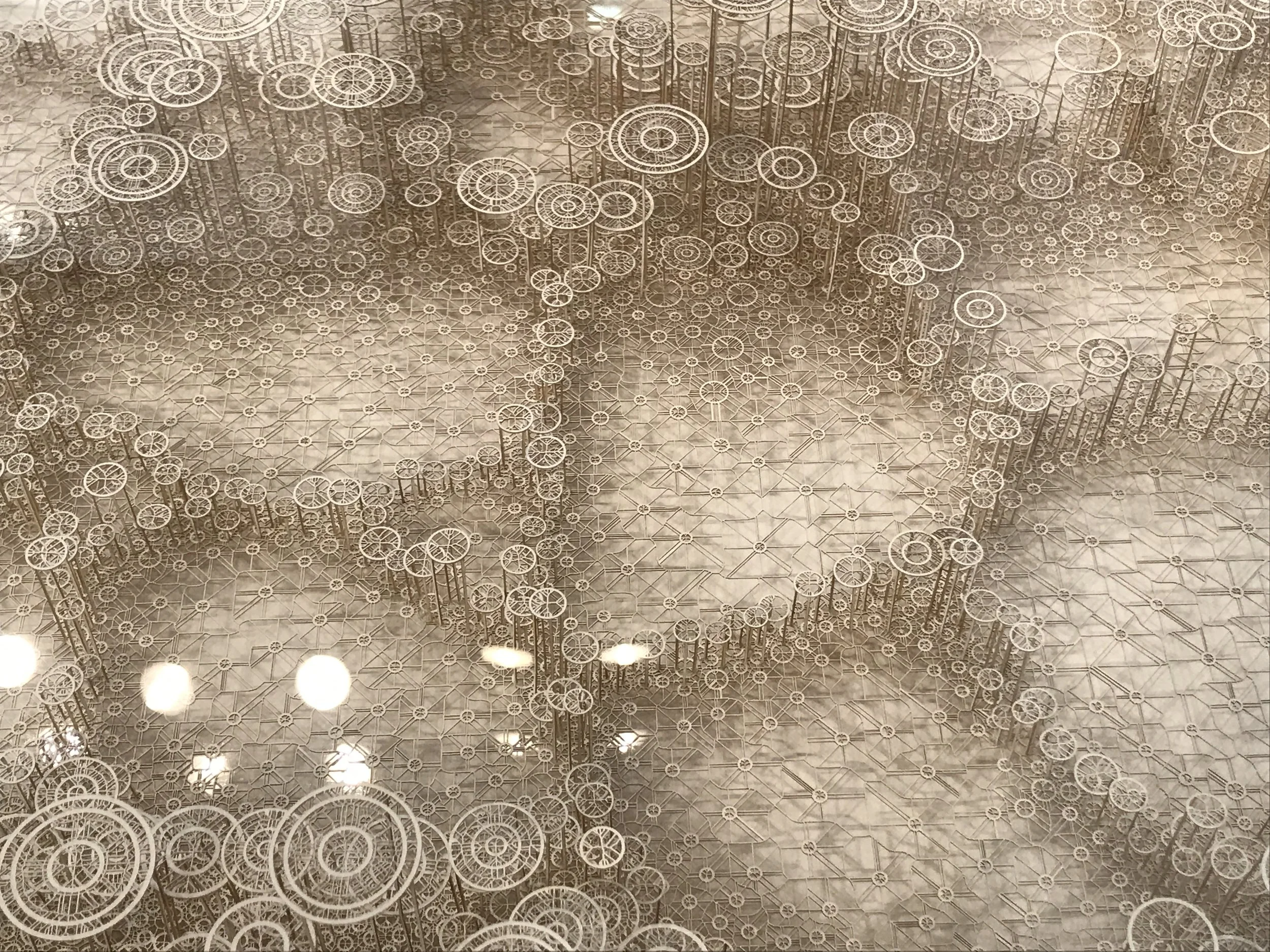
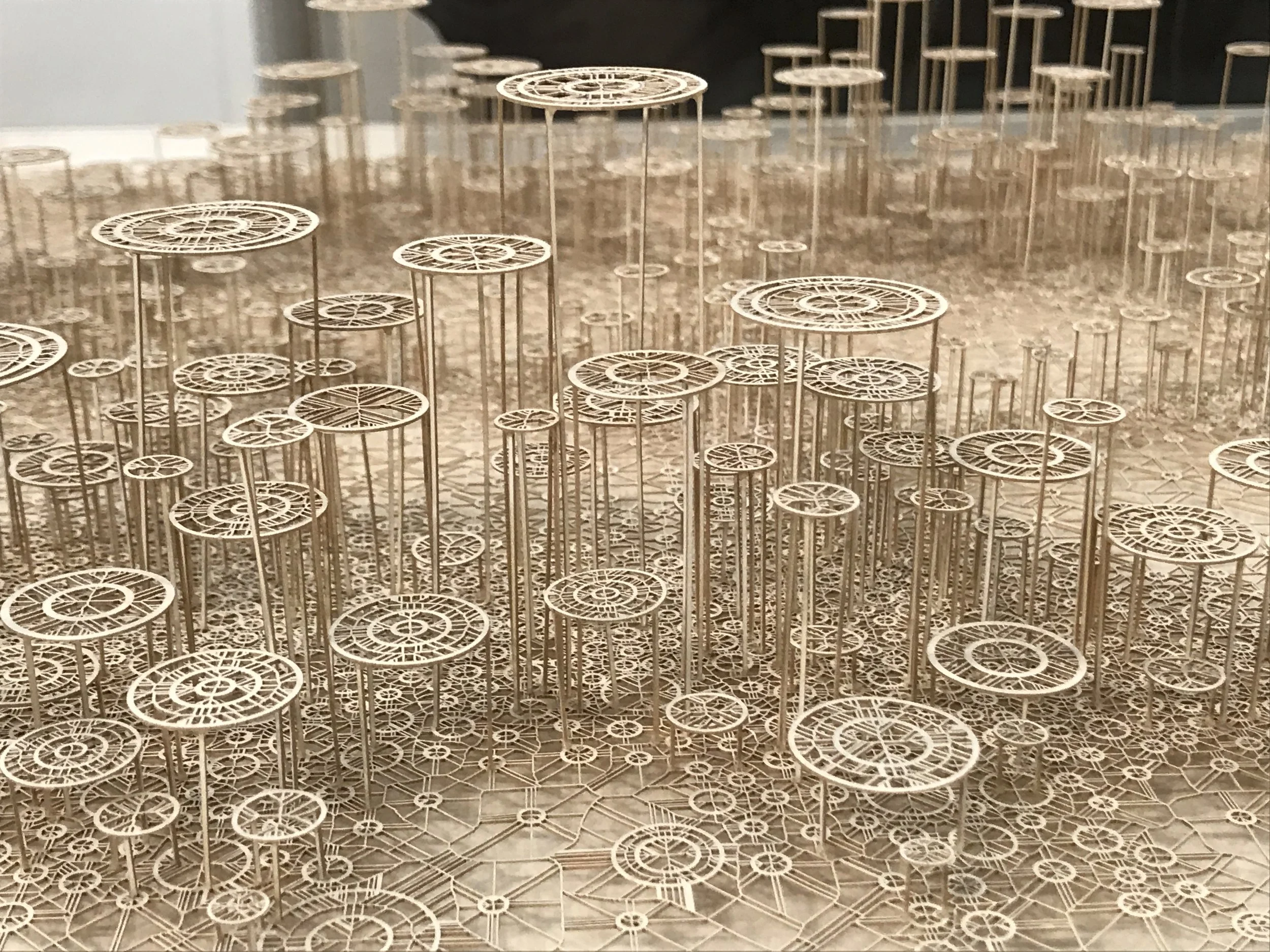
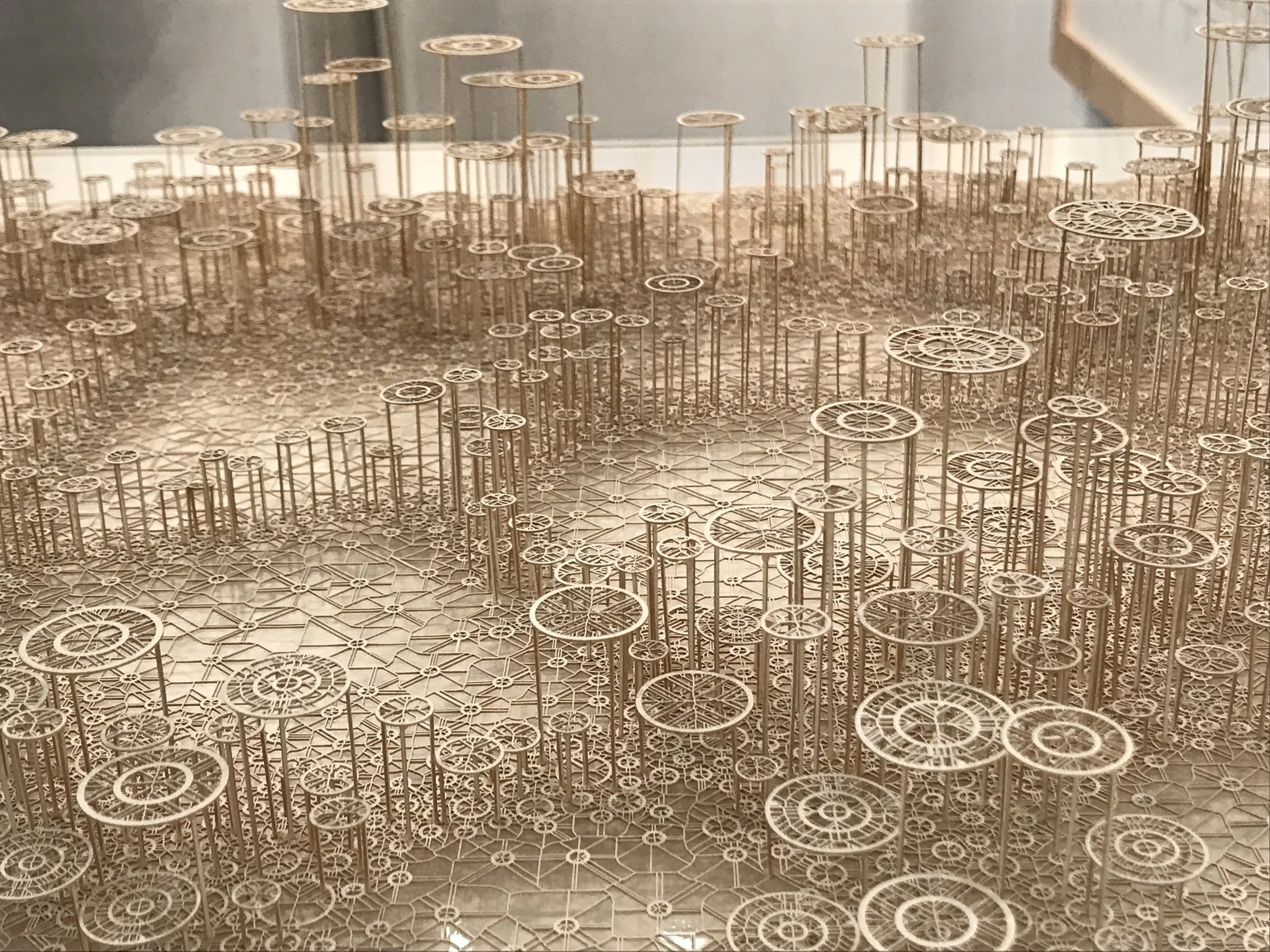
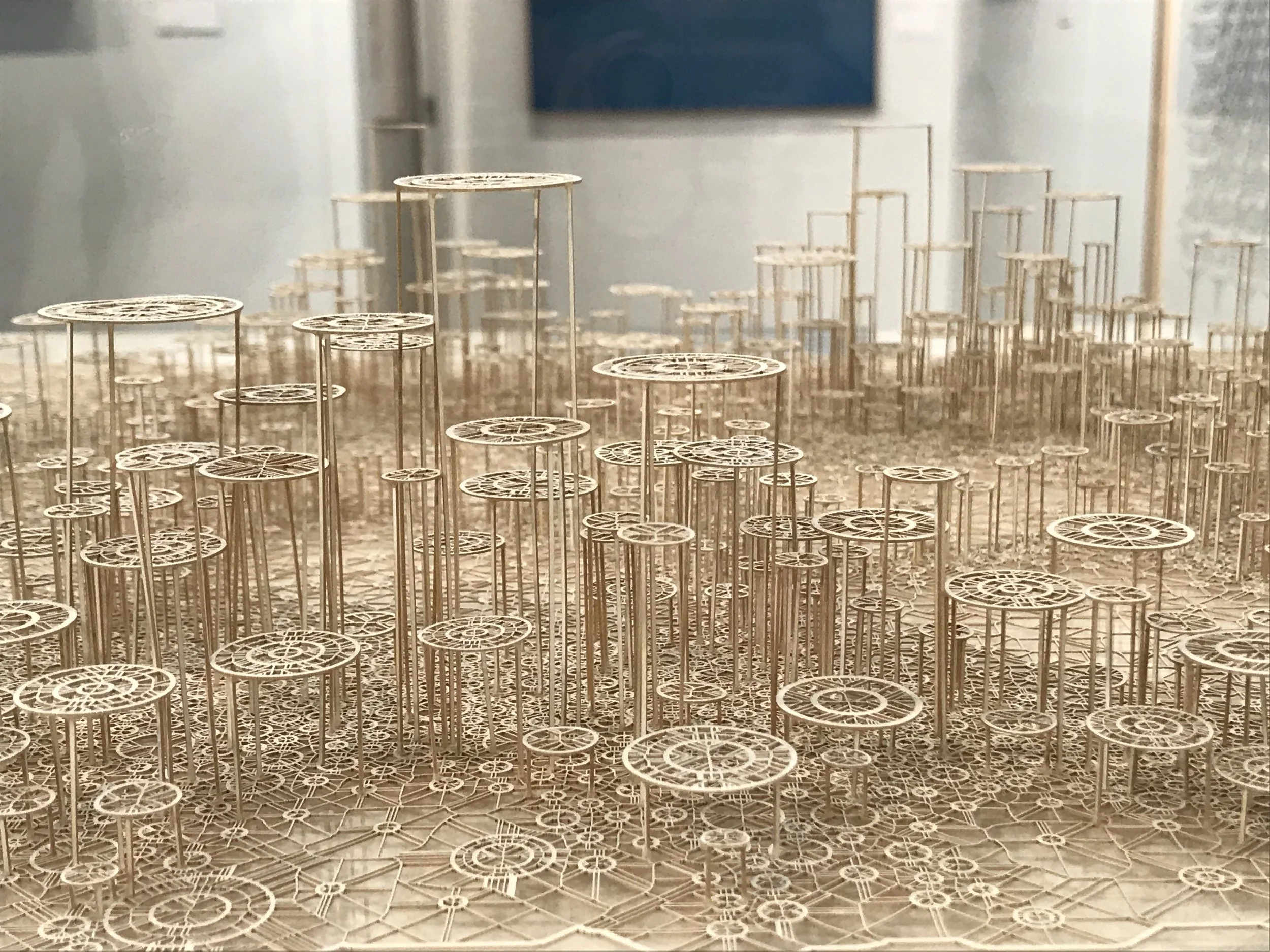
Gustavo Diaz, cut paper sculpture at the Armory, NYC
I was delighted to discover these wonderful cut paper pieces, the tiny details and the unique nature of the work beckoned me to take a closer look. The pieces are interesting from every angle so that keeps the viewer interested in looking-enjoying the many layered details, trying to figure out how these pieces were constructed and how they are staying together being so ridiculously delicate as they are. These piece brought to life a few of the cities described in one of my favorite books, Invisible Cities by Italo Calvino and just like the cities in the book, I wondered what it would be like to live in one of these cut paper pieces. I began to imagine tiny people, vehicles, trees, grass, etc. populating the cities. Even so, there is something about these cities that is unfathomable, uninhabitable, peculiar, not quite right..and that's what kept me looking even longer.
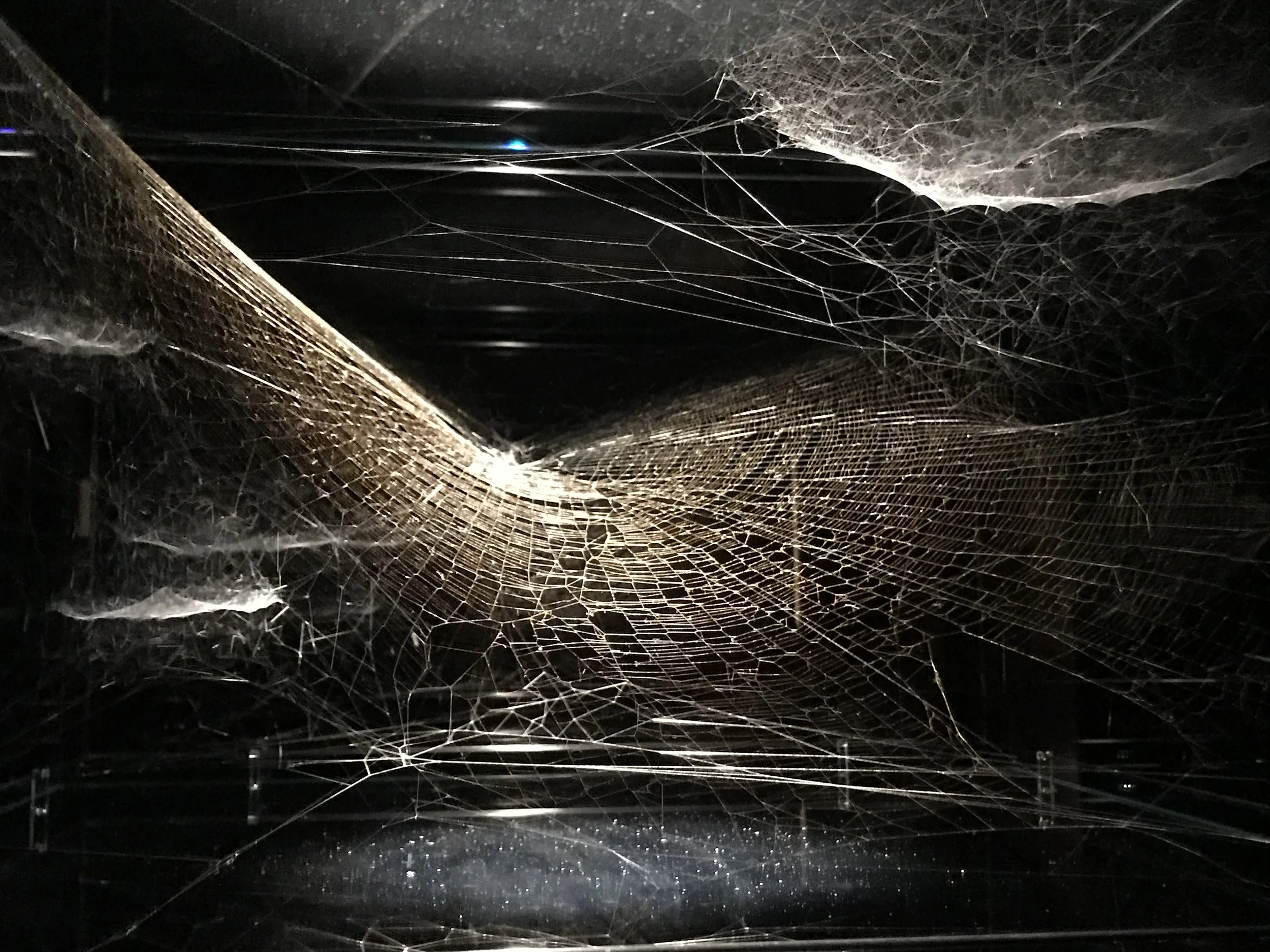
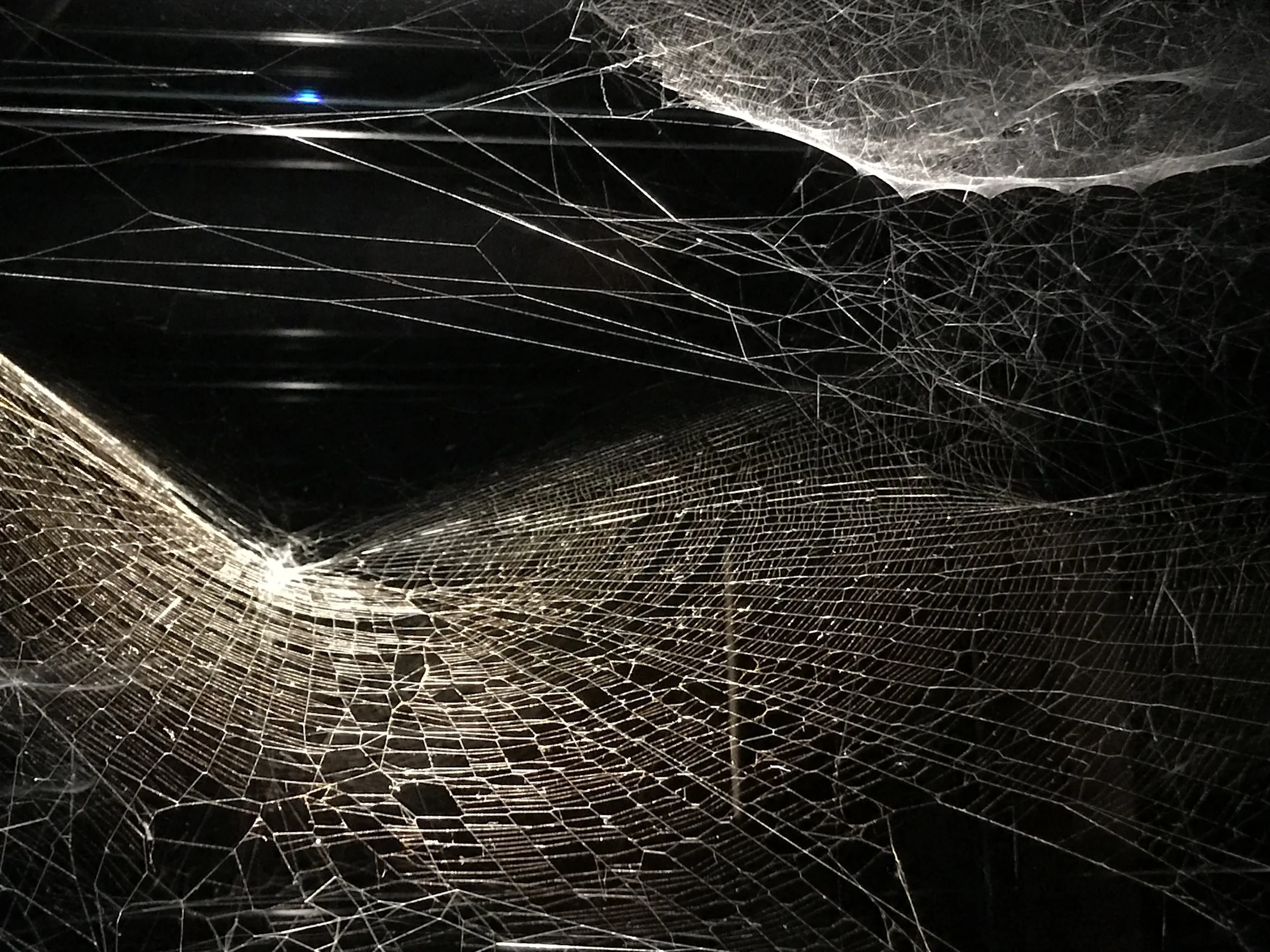
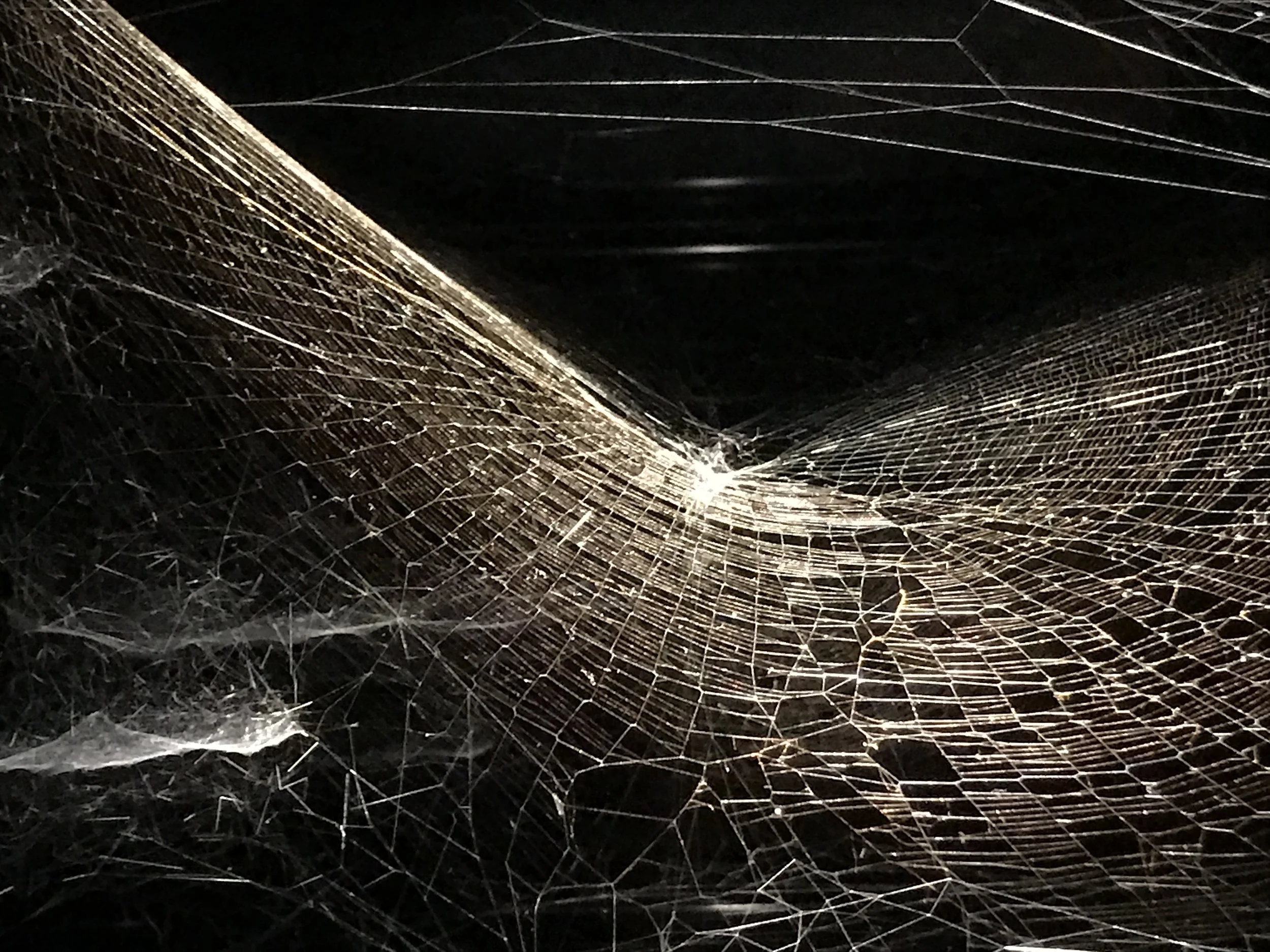
Tomas Saraceno, Entangled Orbits at the Baltimore Museum of Art
Probably one of my most favorite works of all time, this piece attracted me because of its drama. Set in an extremely dark room that forced me to immediately turn a corner upon entering, I was a bit disoriented and it took my eyes a moment to adjust-there is no hint to what one is going to see here. Within a vitrine in the middle of the room, the only lights were highlighting these amazing spider webs!! I ran over and stared, were they real? I'm a bit squeamish of spiders and for a second I wondered if there were a number of them in there, but I looked a little closer to realize that the webs were made from wire. Again, thoughts of man replicating nature and doing it quite well made me both sad and intrigued. I stayed in the dark, quiet room checking it from every angle, immersed in the craftsmanship, process and patience it must have taken to create this amazing spectacle.